
The delightful scent of warm, homemade bread drifting through the house evokes a sense of comfort that’s hard to match. Today, I’m excited to share my Gluten-Free Potato Bread recipe, a soft, pillowy delight that not only satisfies cravings but also welcomes everyone to the table, gluten-free or not. This easy-to-follow recipe comes together quickly and is bursting with subtle sweetness from the potato, making it an allergen-friendly option that could easily replace your favorite traditional breads. Whether you’re crafting sandwiches or serving it alongside soup, this potato bread is sure to be a crowd-pleaser at any mealtime. Are you ready to give your baking skills a delightful twist? Let’s jump in!
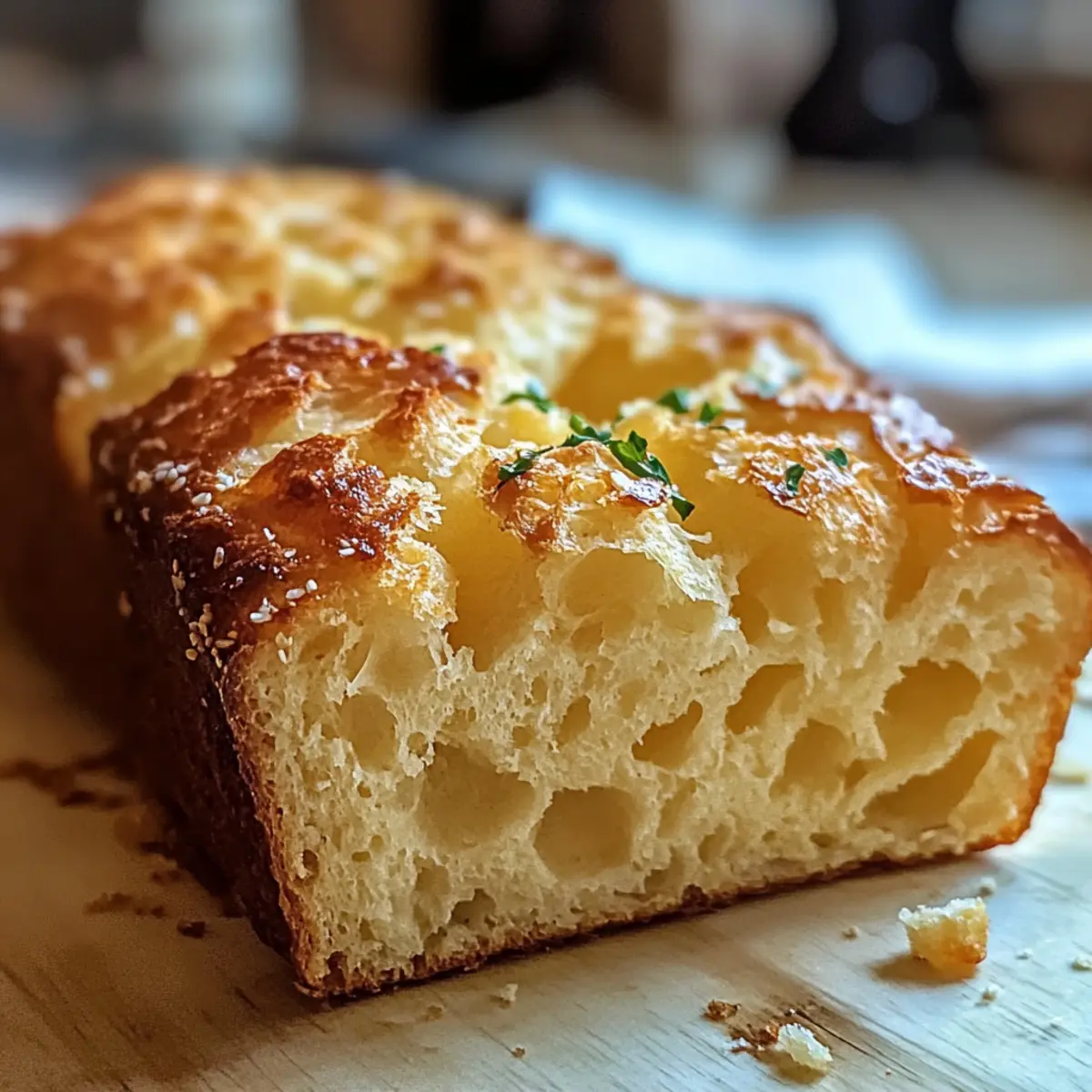
Why is Gluten-Free Potato Bread a Must-Try?
Simplicity at Its Best: The recipe is easy to follow—perfect for bakers of all levels!
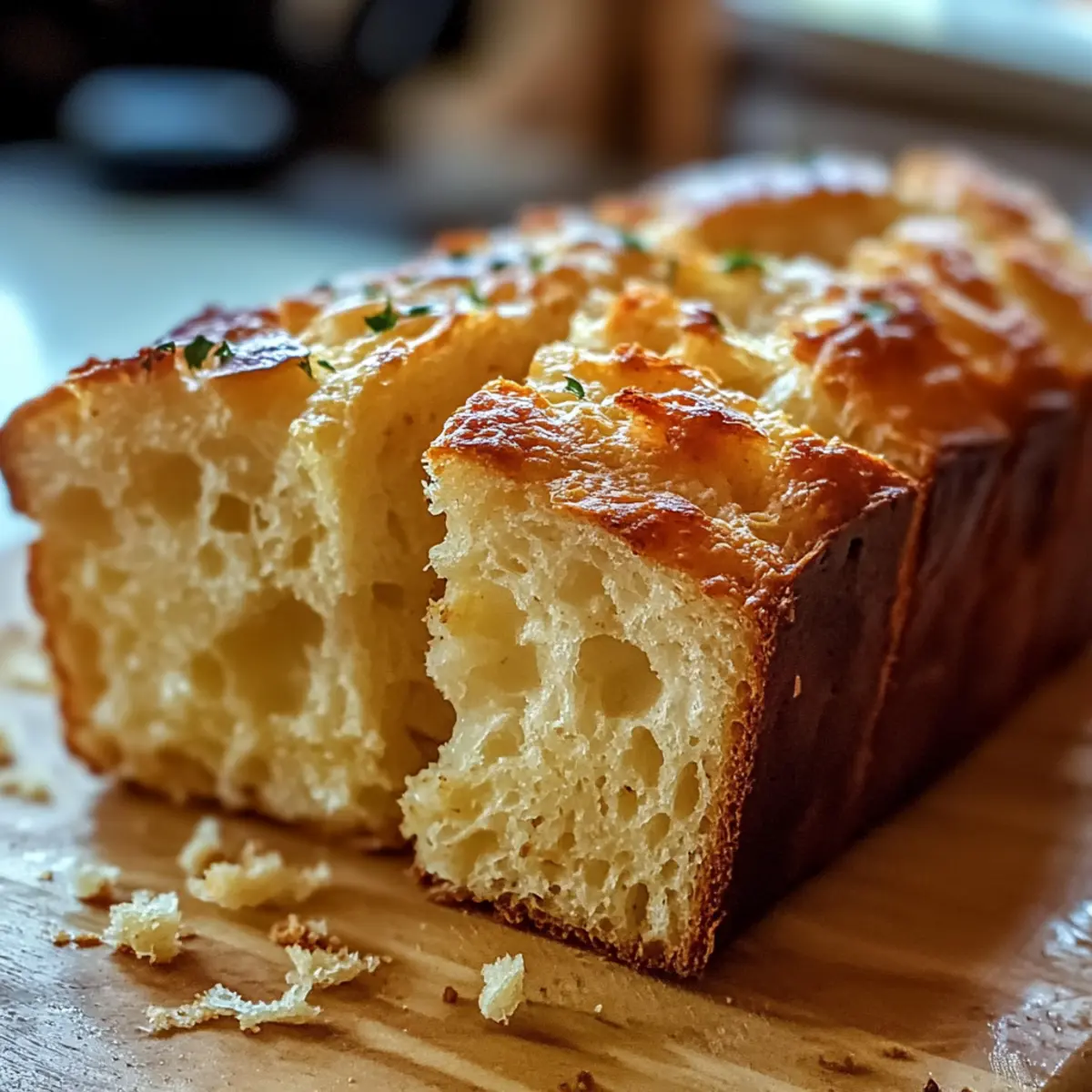
Irresistibly Soft Texture: Expect a delightful, pillowy loaf that rivals any traditional bread, making it perfect for sandwiches or toast.
Allergen-Friendly: This bread caters to dietary restrictions while delivering on taste, ensuring everyone can enjoy a hearty slice.
Versatile & Flavorful: Feel free to add herbs or cheese for a personalized twist, perfect for any meal!
Time-Saving: With minimal prep and baking time, this gluten-free delight is ready to serve in under two hours.
Whether you’re pairing it with soups or enjoying it warm with butter, this gluten-free potato bread is sure to impress! For those seeking more tasty bread ideas, don’t miss out on our Pineapple Banana Bread or Cranberry Orange Bread.
Gluten-Free Potato Bread Ingredients
• Get ready to bake some joy!
For the Dough
- Potato Flakes – Provides moisture and softness, mimicking the texture gluten brings. Substitution: Instant mashed potatoes can be used.
- Gluten-Free Flour Blend – Forms the structure of the bread. Substitution: Combine equal parts of almond flour and coconut flour for a different flavor.
- Xanthan Gum – Acts as a binder, preventing crumbliness. Note: Necessary to replace gluten’s elasticity.
- Yeast – Leavens the bread, helping it rise. Ensure yeast is fresh for optimal results.
- Warm Water – Activates yeast; necessary for dough’s consistency. Use warm (not hot) water to avoid killing the yeast.
- Apple Cider Vinegar – Improves bread’s rise and texture. Optional: Can enhance flavor and acid balance.
- Salt – Enhances flavor and strengthens dough. Note: Essential for taste and function.
Get ready to enjoy a delightful slice of Gluten-Free Potato Bread that will have everyone asking for seconds!
Step‑by‑Step Instructions for Gluten-Free Potato Bread
Step 1: Prepare the Dough
In a medium mixing bowl, combine potato flakes and warm water, stirring until the mixture is smooth and well blended. This will create a base that contributes moisture and a soft texture to your Gluten-Free Potato Bread. Allow it to sit while you prepare the dry ingredients, letting the potato flakes absorb the water.
Step 2: Mix Dry Ingredients
In a separate bowl, whisk together the gluten-free flour blend, xanthan gum, and salt until evenly mixed. This step is crucial for ensuring your bread has structure and flavor. Take care to break up any lumps in the flour to achieve a smooth consistency, making the next step of combining easier.
Step 3: Combine Mixtures
Gradually add the dry mixture to the wet potato mixture, stirring gently until fully incorporated. Make sure no dry flour remains visible, and then add the fresh yeast and optional apple cider vinegar for flavor and texture enhancement. This should create a well-mixed dough that is slightly sticky yet manageable.
Step 4: Knead the Dough
Lightly knead the dough for about 3-5 minutes on a clean, greased surface, or in the bowl if preferred. Aim for a smooth and elastic consistency, but avoid over-kneading as it may dry out your Gluten-Free Potato Bread. The dough should feel cohesive but remain slightly humid to ensure a fluffy loaf.
Step 5: Proof the Dough
Place the kneaded dough into a lightly greased bowl and cover it with a cloth or plastic wrap. Set it in a warm, turned-off oven to rise for about 1 hour, or until it has doubled in size. You’ll know it’s ready when the dough appears puffy and springy to the touch.
Step 6: Shape & Second Rise
Gently punch down the risen dough to release some air, then transfer it to a lightly floured surface. Shape it into a loaf, tucking in the edges for a smooth appearance, and place it into a greased loaf pan. Cover again and let it rise for an additional 30-45 minutes until it feels puffy, preparing for baking.
Step 7: Bake
Preheat your oven to 375°F (190°C) while the dough is rising. Once ready, bake the loaf for 35-40 minutes, or until the top is golden brown and the bread sounds hollow when tapped on the bottom. This step is key for achieving the delicious crust and airy interior of your Gluten-Free Potato Bread.
Step 8: Cool
Finally, remove the bread from the oven and let it cool in the pan for about 10 minutes. Then, transfer it to a wire rack to cool completely before slicing. This cooling phase is crucial, as it allows the texture to set, ensuring each slice is soft, pillowy, and perfect for any meal!
Storage Tips for Gluten-Free Potato Bread
Room Temperature: Store the bread wrapped in plastic wrap or a bread bag for up to 3 days to maintain freshness. Place it in a cool, dry place away from direct sunlight.
Fridge: If you prefer to keep the bread longer, you can refrigerate it for up to 1 week; however, this may alter the texture slightly, making it denser.
Freezer: Wrap completely cooled Gluten-Free Potato Bread tightly in plastic wrap and foil. It can be frozen for up to 2 months. Thaw at room temperature before serving, or toast slices directly from the freezer.
Reheating: For a warm and crispy experience, reheat slices in a toaster or oven until warmed through. Enjoy the delightful texture and flavors in each bite!
Gluten-Free Potato Bread Variations
Feel free to explore these delightful variations and make this recipe your own!
-
Dairy-Free: Substitute any dairy cheese with a plant-based alternative for a creamy, rich flavor without the dairy. Consider adding vegan butter for an added depth of taste.
-
Herbed Loaf: Mix in 2 tablespoons of your favorite herbs, like rosemary or thyme, to elevate the flavor profile and create a fragrant experience with each bite.
-
Cheesy Twist: Fold in shredded cheese like cheddar or mozzarella before the second rise to add a cheesy goodness that melts beautifully. The melty cheese will bring comfort on chilly days.
-
Spicy Kick: Crush red pepper flakes into the dough for a zesty surprise, perfect for those who love a little heat to balance out the natural sweetness of the potato.
-
Nutty Flavor: For a more complex taste, replace a portion of gluten-free flour with ground almonds or hazelnuts. This not only enhances flavor but also infuses a subtle nuttiness into each slice.
-
Sweet Variation: Add 1/4 cup of honey or maple syrup to the dough for a subtly sweet bread that pairs perfectly with jams or fresh butter. The hint of sweetness will surprise and delight everyone at the table.
-
Add-Ins Galore: Toss in some sun-dried tomatoes or olives for a Mediterranean twist, making your gluten-free bread perfect for accompanying a charcuterie board or salad.
-
Fruity Bread: Incorporate small diced apple or shredded carrot for a sweet, moist bread. This fruity addition complements the potato, making it a unique addition for breakfast or brunch.
By mixing and matching these variations, you’ll create a Gluten-Free Potato Bread that suits every palate. If you’re on a quest for more delicious, homemade treats, check out our Potato Bake Cheesy or opt for a vibrant Sweet Potato Fries side to accompany your meal!
Make Ahead Options
These Gluten-Free Potato Bread loaves are perfect for meal prep enthusiasts! You can prepare the dough up to 24 hours in advance. Simply follow the instructions up to the proofing stage, then cover the dough tightly and refrigerate it. When you’re ready to bake, let the dough come to room temperature for about 30 minutes before shaping and proceeding with the second rise. To maintain the bread’s delightful texture, avoid over-proofing, as this can lead to a dense loaf. By prepping ahead, you ensure a fresh and fluffy bread for busy weeknights, making it easy to enjoy homemade goodness without the last-minute rush!
What to Serve with Gluten-Free Potato Bread
The warm, comforting aroma of fresh-baked bread invites a sense of togetherness, making it the perfect centerpiece for any meal.
- Creamy Tomato Soup: The rich and tangy flavors of tomato soup perfectly balance the subtle sweetness of potato bread, creating a classic comfort food pairing.
- Fresh Garden Salad: A crisp salad with seasonal greens adds a refreshing contrast and brings vibrant colors to your plate. It’s the ideal side for a cozy meal.
- Garlic Butter Roasted Vegetables: Earthy and fragrant, these roasted vegetables enhance the homely feel of your meal while providing a variety of textures and flavors.
- Savory Herb Butter: Spread this on warm slices for a burst of flavor that complements the bread’s pillowy goodness—perfect for elevating your dining experience.
- Sliced Deli Meats: A selection of your favorite deli meats creates quick, customizable sandwiches, appealing to both gluten-free and non-gluten-free eaters alike.
- Cheesy Potato Casserole: Lean into the potato theme with this hearty dish, offering a creamy and indulgent experience that pairs beautifully with the bread’s soft texture.
- Herb-Infused Olive Oil: Drizzling a little on the bread brings a Mediterranean flair and accentuates the flavors of the potato without overpowering it.
- Homemade Strawberry Jam: Sweet and fruity, this jam spreads a happy note across warm slices, making for a delightful breakfast option. Enjoy the combination!
Enjoy experimenting with these pairings to turn your Gluten-Free Potato Bread into a truly satisfying meal.
Helpful Tricks for Gluten-Free Potato Bread
-
Mind the Texture: Ensure the dough isn’t overly sticky or dry; adjust with a bit more water or flour to achieve a smooth consistency for your gluten-free potato bread.
-
Temperature Matters: When proofing, the dough needs a warm environment. A turned-off oven works wonders, ensuring the yeast has the perfect conditions to help the bread rise.
-
Check Doneness: To avoid gummy bread, always check for an internal temperature of 200-210°F (93-99°C). If you don’t have a thermometer, a hollow sound when tapped is a good indicator.
-
Flavor Boost: Enhance your gluten-free potato bread by mixing in herbs, shredded cheese, or sun-dried tomatoes before baking for a delicious twist!
-
Storage Solutions: Wrap cooled bread tightly in plastic wrap and foil. It freezes beautifully for up to 2 months—perfect for later enjoyment!
Gluten-Free Potato Bread Recipe FAQs
What type of potatoes should I use for Gluten-Free Potato Bread?
For the best results, I recommend using potato flakes since they provide moisture and a soft texture. However, you can also use instant mashed potatoes if that’s what you have on hand. Just make sure they are gluten-free!
How should I store my Gluten-Free Potato Bread?
To keep your bread fresh, wrap it tightly in plastic wrap or store it in a bread bag for up to 3 days at room temperature. For longer storage, refrigerate it for up to 1 week, but bear in mind that this may slightly alter the texture.
Can I freeze Gluten-Free Potato Bread?
Absolutely! After the bread has completely cooled, wrap it tightly in plastic wrap and then in foil. It can be frozen for up to 2 months. When you’re ready to enjoy it, simply thaw it at room temperature or toast slices straight from the freezer for a delightful warm treat!
What should I do if my dough is too sticky or too dry?
If your dough is overly sticky, add a spoonful of gluten-free flour until it reaches a manageable consistency. Conversely, if it feels too dry, add a teaspoon of warm water gradually until it becomes smooth and pliable. The right texture is key for a fluffy loaf!
Can I add other flavors or ingredients to my Gluten-Free Potato Bread?
Yes, the more, the merrier! Feel free to mix in herbs like rosemary or thyme, or even shredded cheese or chopped sun-dried tomatoes. These add delightful flavors and can really elevate your homemade bread experience.
Is this recipe suitable for people with allergies?
This Gluten-Free Potato Bread is designed to be allergen-friendly, but always check the labels of your ingredients. Make sure that the gluten-free flour blend you choose doesn’t contain any allergens specific to you or your guests, and enjoy this soft, pillowy delight with peace of mind!
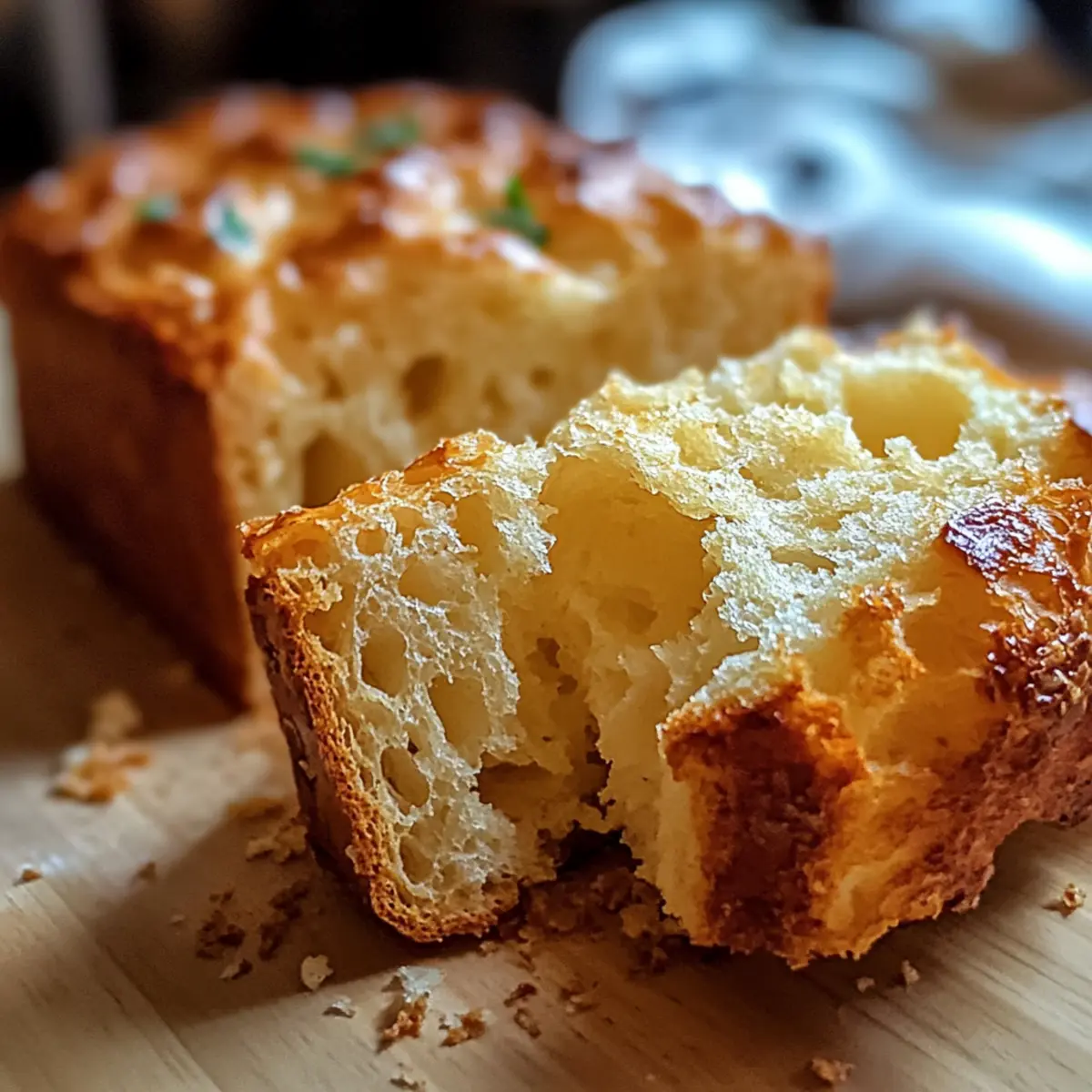
Gluten-Free Potato Bread: Soft and Irresistibly Delicious
Ingredients
Equipment
Method
- In a medium mixing bowl, combine potato flakes and warm water, stirring until smooth. Allow it to sit while you prepare the dry ingredients.
- In a separate bowl, whisk together gluten-free flour blend, xanthan gum, and salt until mixed.
- Gradually add the dry mixture to the wet potato mixture, stirring gently until fully incorporated. Add the fresh yeast and optional apple cider vinegar.
- Lightly knead the dough for about 3-5 minutes on a clean surface until smooth and elastic.
- Place the kneaded dough into a lightly greased bowl, cover, and set it in a warm, turned-off oven to rise for about 1 hour.
- Gently punch down the risen dough, shape it into a loaf, and place it into a greased loaf pan. Let it rise for an additional 30-45 minutes.
- Preheat your oven to 375°F (190°C). Bake the loaf for 35-40 minutes until golden brown and sounds hollow when tapped.
- Remove the bread from the oven, let it cool in the pan for about 10 minutes, then transfer to a wire rack to cool completely before slicing.
Leave a Reply