
With the sun shining and summer in full swing, I can’t help but crave something light, fresh, and colorful. That’s where my Baked Hake with Summer Vegetables and Dill Oil comes in—a dish that brings a gourmet experience right to your table without the usual fuss. The flaky hake pairs effortlessly with a medley of vibrant seasonal veggies, all brightened by the aromatic touch of dill oil. It’s not just easy to prepare; this meal is a stunning centerpiece for any gathering or a cozy night in, all while keeping things healthy and wholesome. Whip this up, and you’ll feel like a culinary superstar! Are you ready to bring the flavors of summer to your kitchen?
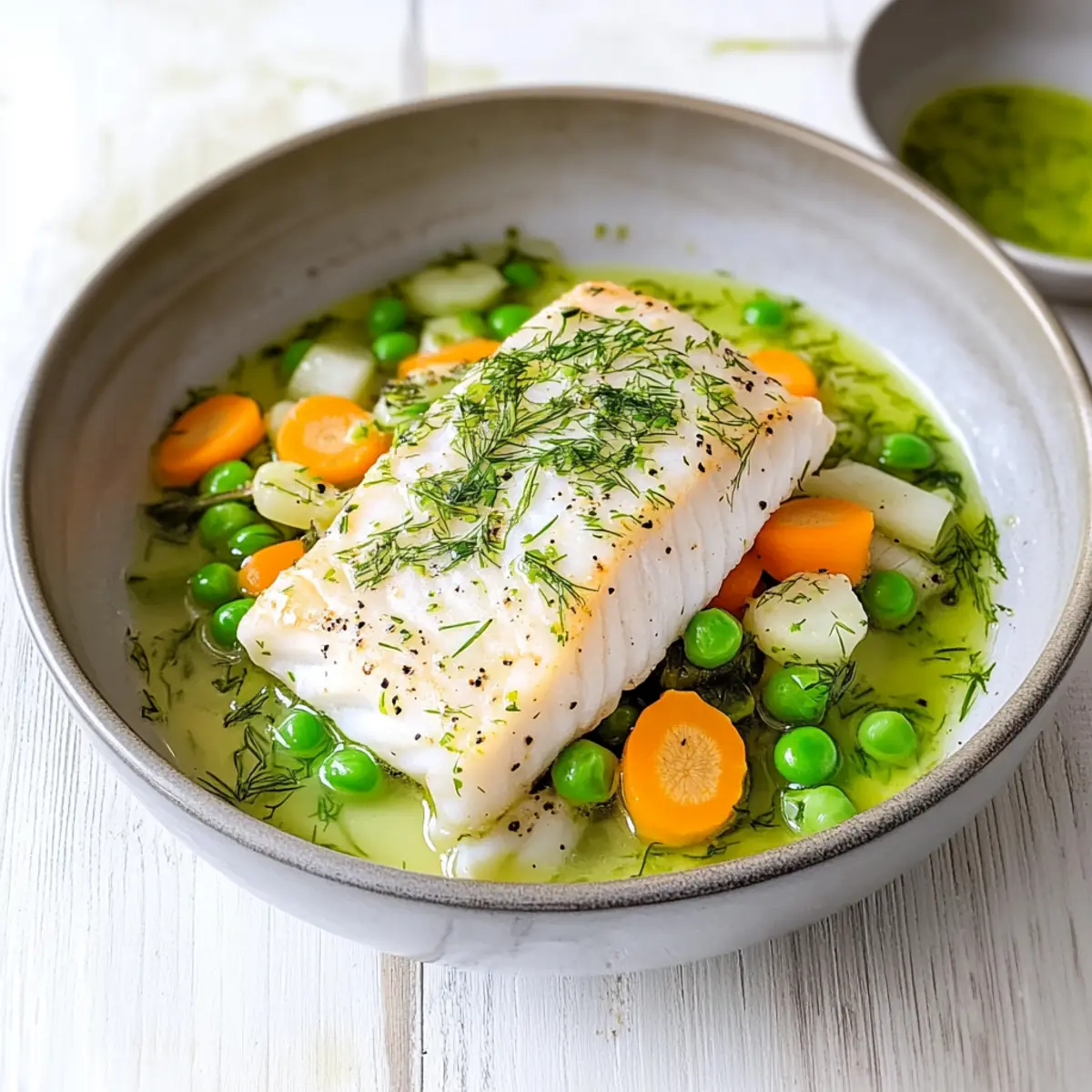
Why is Baked Hake a Summer Favorite?
Deliciously Light: This recipe captures the refreshing essence of summer, making it perfect for warm days when you crave something light yet satisfying.
Easy Gourmet Meal: Impress your guests with a dish that feels gourmet but requires minimal effort—ideal for budding chefs or busy home cooks.
Fresh Ingredients: With seasonal vegetables and vibrant dill oil, each bite bursts with flavor, inviting everyone to savor the tastes of summer.
Healthy Choice: Packed with protein and vitamins, this baked hake dish allows you to indulge without guilt, a perfect alternative to fast food.
Versatile & Adaptive: Feel free to swap in your favorite veggies or fish; it’s a flexible recipe that encourages creativity in the kitchen. Whether you’re enjoying it solo or serving it at a gathering, you’ll always get rave reviews. Pair it with a simple salad or a chilled white wine for the ultimate experience!
Baked Hake Ingredients
• For the ultimate seafood delight, gather your fresh ingredients for the baked hake with summer vegetables!
For the Hake
- Hake Fillets – The star of the dish; can be substituted with cod or another white fish if desired.
- Lemongrass – Provides an aromatic quality; fresh is best for maximum flavor.
- Shallots – Offer sweetness and depth; onions can be used as a substitute if needed.
- White Wine – Enhances the dish’s flavor; vegetable broth works well for a non-alcoholic version.
- Butter – Adds richness and helps emulsify the sauce; olive oil can be a dairy-free alternative.
For the Dill Oil
- Dill – The key herb for flavoring the oil; fresh dill is recommended for the best taste.
- Grapeseed Oil – A neutral oil ideal for dill oil; can be swapped with sunflower oil if necessary.
For the Vegetables
- Baby Carrots – Provide both sweetness and crunch; regular carrots can be used, cut into ribbons.
- Baby Courgettes – Adds great texture; substitute with regular zucchini if needed.
- Fresh Peas – Offers a delicate sweetness; frozen peas can be used if fresh ones are unavailable.
- Broad Beans – Adds a delightful nutty flavor; can be substituted with edamame or omitted.
For Garnishing
- Parsley, Chervil, Dill – Fresh herbs enhance the dish’s aroma and presentation; mix and match with any fresh herbs.
- Pea Shoots – A light, fresh garnish; feel free to use microgreens as an alternative.
Step‑by‑Step Instructions for Baked Hake with Summer Vegetables
Step 1: Prepare the Dill Oil
Begin by blanching a generous bunch of fresh dill in boiling water for 30 seconds, then quickly transfer it to a bowl of ice water to halt the cooking process. Once cooled, drain the dill and place it in a blender with grapeseed oil. Blitz until smooth and vibrant, then strain the mixture through a cloth or fine sieve overnight to yield a fragrant dill oil.
Step 2: Prep the Vegetables
While the dill oil is cooling, shave the baby carrots and courgettes into thin ribbons using a mandoline for an attractive presentation. Next, blanch the broad beans and peas in boiling water for 2-3 minutes until bright green, then promptly refresh them in icy water. This process preserves their color and crispness, ensuring your baked hake with summer vegetables is a feast for the eyes.
Step 3: Preheat the Oven
Preheat your oven to 175°C (gas mark 4) so that it’s perfectly hot when you’re ready to bake the hake. This temperature allows the fish to cook evenly, resulting in a flaky, tender texture. While the oven heats up, gather your baking tin and prepare the base flavors for the dish.
Step 4: Bake the Hake
In a baking dish, spread sliced shallots and lemongrass evenly across the bottom. Place the hake fillets atop the vegetables and pour in white wine for extra flavor. Bake in the preheated oven for 5-8 minutes until the fish is opaque and flakes easily with a fork, indicating that your baked hake is cooked to perfection.
Step 5: Make the Sauce
Once the hake is done, carefully remove it from the oven and strain the pan liquid into a small saucepan. Bring the liquid to a gentle boil and reduce it for a couple of minutes until slightly thickened. Remove from heat and whisk in cold butter until the sauce is smooth and emulsified, creating a rich drizzle for your baked hake.
Step 6: Combine the Vegetables
Add the blanched baby carrots, courgettes, broad beans, and peas into the reduced sauce. Gently stir to warm the vegetables through, ensuring they’re coated in the luxurious sauce. This step not only adds a burst of vibrant color but also infuses the veggies with the wonderful flavors of the sauce, perfect for complimenting your baked hake.
Step 7: Serve with Flair
To plate, divide the vegetables among bowls, then place the flaky baked hake fillet on top of each. Drizzle your homemade dill oil generously over the fish and veggies, and garnish with fresh parsley, chervil, dill, and a few bright pea shoots. The delightful presentation makes your baked hake with summer vegetables a stunning centerpiece for any gathering or dinner at home.
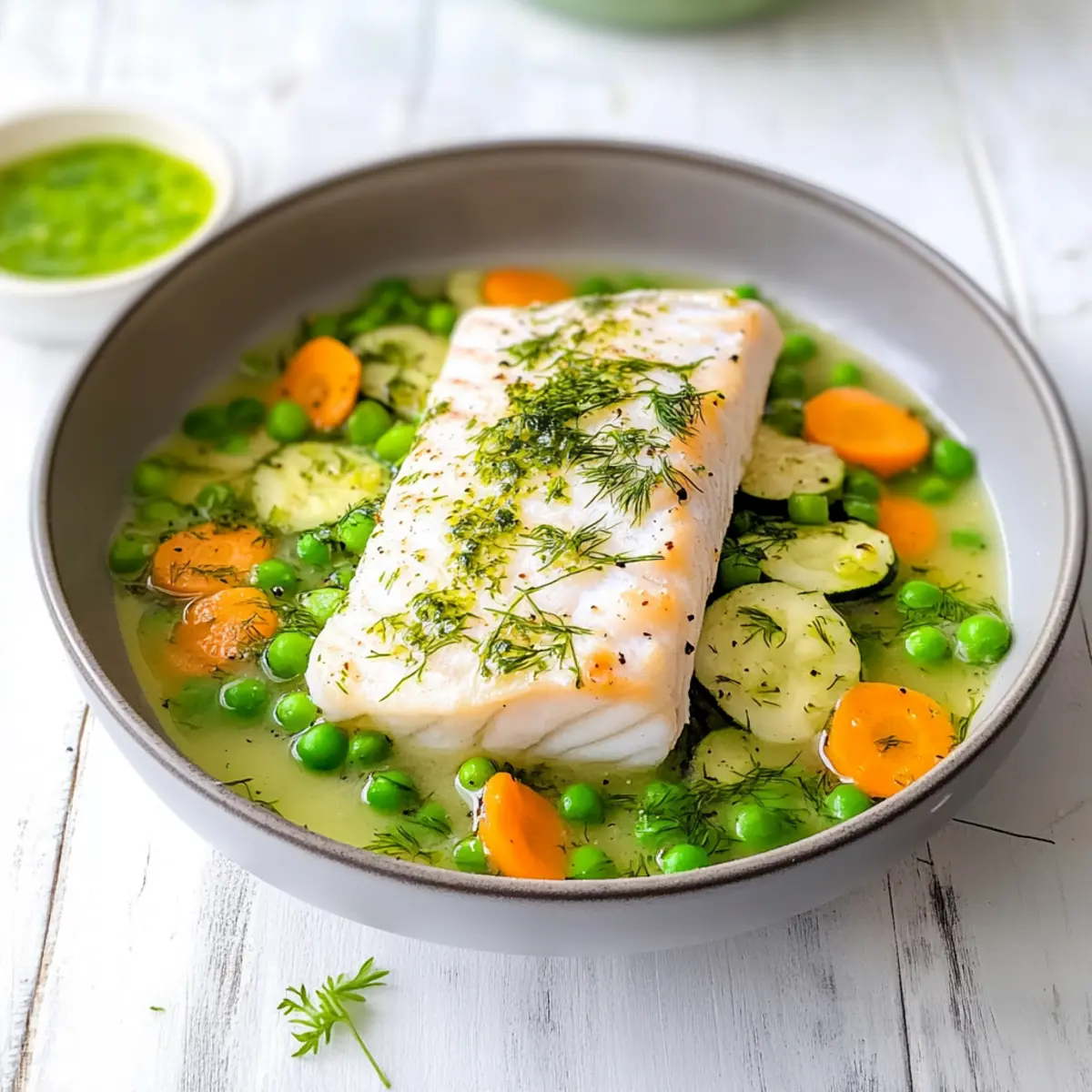
How to Store and Freeze Baked Hake
- Fridge: Store leftover baked hake in an airtight container for up to 2 days. Make sure to cool it completely before sealing to preserve freshness.
- Freezer: Wrap portions of baked hake tightly in plastic wrap and foil, then freeze for up to 2 months. Thaw in the fridge before reheating for best texture.
- Reheating: To reheat, place the fish in a preheated oven at 175°C (350°F) for about 10 minutes, or until warmed through, to maintain its flaky quality.
- Vegetables Storage: For leftover summer vegetables, keep them in the fridge for up to 2 days in a sealed container. They can also be reheated gently on the stove or in the microwave.
Baked Hake with Summer Vegetables Variations
Feel free to get creative and make this delicious recipe your own with these delightful twists!
- Cod Substitute: Swap hake for cod or tilapia for a different texture while keeping it equally delicious.
- Seasonal Veggies: Use whatever fresh vegetables you have on hand; bell peppers or zucchini work beautifully.
- Spicy Kick: Add a pinch of chili flakes to the dill oil for a zesty touch that livens up the flavors.
- Mediterranean Twist: Incorporate black olives and capers for an additional flavor dimension reminiscent of coastal dishes.
- Lemon Infusion: Squeeze fresh lemon juice over the dish just before serving for a bright, zesty finish.
- Creamy Alternative: For a richer sauce, whisk in a splash of cream along with the butter to create an indulgent cream sauce.
- Grill Instead: If you love that charred flavor, try grilling the hake and vegetables for a smoky spin on this classic dish.
Embrace your culinary creativity! These variations add personality and excitement to your summer meal. And if you’re looking for more inspiration, don’t forget to check out Healthy Sautéed Vegetables for superb side dishes or treat yourself with some Baked Churro Bites for dessert. Happy cooking!
What to Serve with Baked Hake with Summer Vegetables?
Elevate your dining experience by pairing this exquisite dish with delightful sides and beverages that complement its vibrant flavors.
- Creamy Mashed Potatoes: The buttery richness balances the lightness of the hake, adding a comforting touch to your meal.
- Fresh Green Salad: A crisp mix of greens drizzled with a lemon vinaigrette brings brightness and textural contrast, enhancing the freshness of the dish.
- Quinoa Pilaf: With its nutty flavor and fluffy texture, quinoa adds a wholesome element that pairs beautifully with the flaky fish.
- Grilled Asparagus: A charred, smoky flavor from grilled asparagus complements the delicate hake, while maintaining a summer vibe.
- Lemon Couscous: Fluffy couscous infused with lemon zest echoes the citrus notes in the dill oil, creating a delightful harmony of flavors.
- Sauvignon Blanc: A chilled glass of this crisp white wine highlights the fish’s subtle sweetness and the tangy dill oil, making for a refreshing sip.
- Ratatouille: This traditional vegetable medley not only adds color and nutrients but also marries beautifully with the main dish, enriching every bite.
- Lemon Sorbet: For dessert, a light lemon sorbet cleanses the palate and provides a sweet, refreshing finish after the savory meal.
- Stuffed Mushrooms: Earthy mushrooms filled with herbs and cheese offer a savory bite that enriches the meal, adding an extra layer of flavor to enjoy.
Make Ahead Options
These Baked Hake with Summer Vegetables are perfect for meal prep enthusiasts! You can prepare the dill oil up to 24 hours in advance—just remember to refrigerate it to keep the vibrant flavor intact. Additionally, you can pre-shave your baby carrots and courgettes, and blanch the broad beans and peas—this can be done 1-2 days ahead, just store them in an airtight container in the fridge to maintain their freshness. When ready to serve, simply bake the hake alongside the prepared vegetables and whip up the sauce—everything will come together beautifully, giving you a gourmet meal with minimal effort, ideal for busy weeknights!
Expert Tips for Baked Hake
-
Prep in Advance: Make your dill oil a day ahead for improved flavor. This allows the herbs to infuse and develop a richer taste.
-
Even Cooking: Ensure your oven is preheated fully before baking the hake; a consistent temperature helps achieve that tender, flaky texture.
-
Avoid Overcooking: Check the hake after 5 minutes; it cooks quickly. Overcooking can lead to dryness and ruining the delicious taste of your baked hake with summer vegetables.
-
Vegetable Variations: Feel free to mix in your favorite seasonal vegetables. Just remember to blanch them for vibrant color and crispness.
-
Taste and Adjust: Always taste your sauce before serving. You might want to adjust seasoning or add a squeeze of lemon for extra brightness.
-
Garnish Wisely: Use a mix of fresh herbs for garnishing; this not only enhances visual appeal but also elevates the flavors of your dish dramatically.
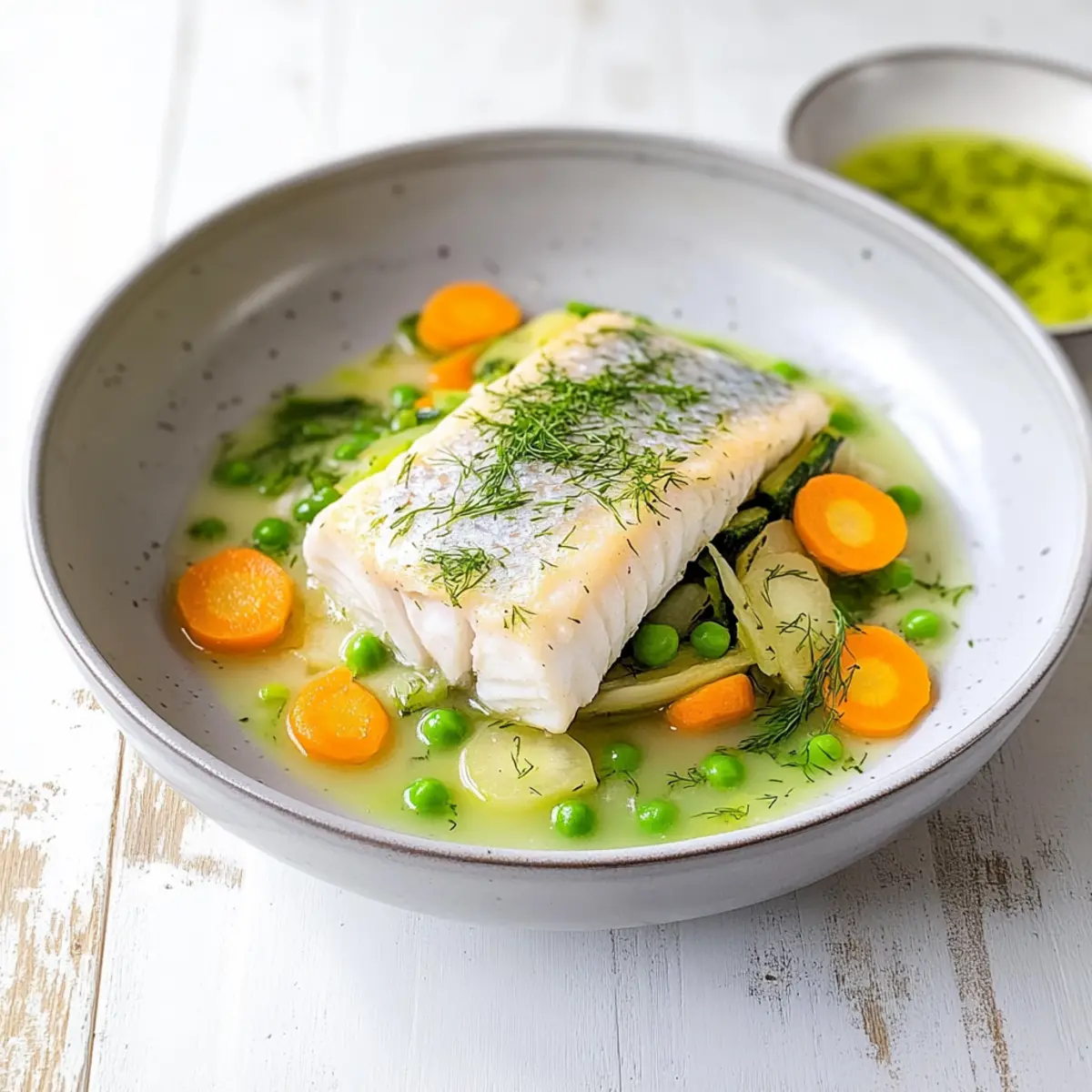
Baked Hake with Summer Vegetables and Dill Oil Recipe FAQs
What is the best way to select ripe ingredients for this dish?
Absolutely! When choosing your ingredients, look for hake fillets that are firm and have a fresh, ocean-like smell. The skin should be shiny with no dark spots. For the vegetables, select baby carrots and courgettes that are vibrant in color, and avoid any with soft spots or blemishes. Fresh dill should be bright green, free of yellowing or wilting.
How should I store leftovers from this baked hake dish?
Very good question! Store your leftover baked hake in an airtight container in the fridge, where it will stay fresh for up to 2 days. Be sure to let it cool completely before sealing. For best results, reheat it gently in a preheated oven to maintain that tender, flaky texture.
Can I freeze baked hake, and how do I do it?
Absolutely! If you want to freeze your baked hake, wrap it tightly in plastic wrap and then in aluminum foil to protect it from freezer burn. This way, it can last up to 2 months. When you’re ready to enjoy it again, simply thaw it in the refrigerator overnight, then reheat it in a preheated oven at 175°C (350°F) for about 10 minutes.
What are some common troubleshooting tips if my baked hake turns out dry?
If your baked hake ends up being a bit dry, it may not have been cooked with enough moisture or was overcooked. To avoid this in the first place, ensure you’re using fresh, quality ingredients and monitor the baking time closely. Hake typically cooks in just 5-8 minutes—it should be opaque and flake easily with a fork when done. If overcooked, try drizzling it with a little extra dill oil or a splash of lemon juice before serving to add moisture back into the fish.
Is there anything I should consider for dietary restrictions when preparing this dish?
Absolutely! For those with dairy allergies, you can substitute butter with olive oil when emulsifying the sauce, creating a deliciously rich flavor without the dairy. Additionally, if anyone has a seafood allergy, consider swapping the hake with a plant-based protein, like tofu, marinated and baked similarly. Always check with guests for specific allergies to ensure a safe dining experience.
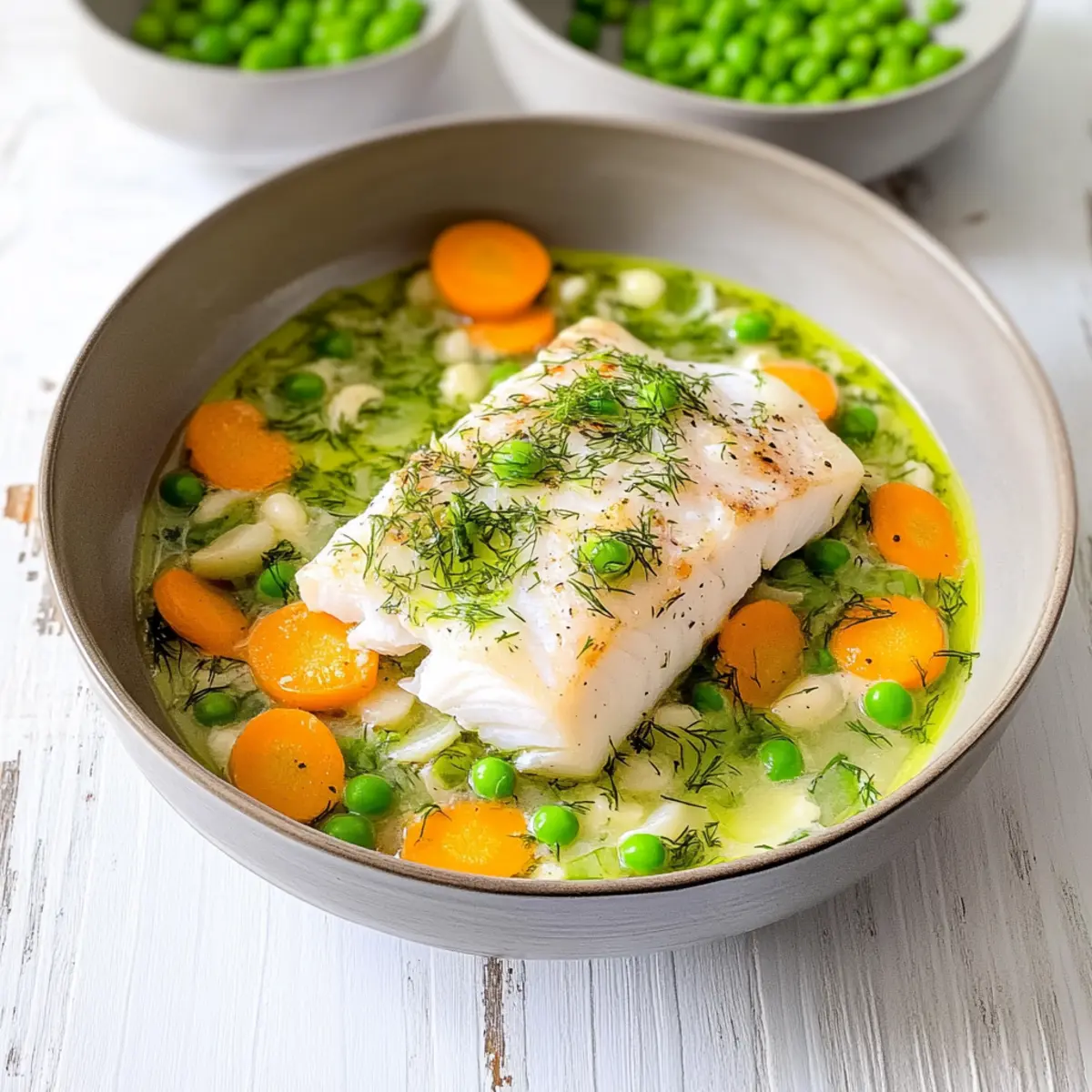
Baked Hake with Summer Vegetables for a Fresh Flavor Burst
Ingredients
Equipment
Method
- Blanch dill in boiling water for 30 seconds, transfer to ice water to cool, drain, then blend with grapeseed oil until smooth. Strain overnight.
- Using a mandoline, shave baby carrots and courgettes into thin ribbons. Blanch broad beans and peas in boiling water for 2-3 minutes, then refresh in icy water.
- Preheat the oven to 175°C (gas mark 4).
- Spread sliced shallots and lemongrass in a baking dish. Place hake fillets on top and pour white wine over. Bake for 5-8 minutes until opaque.
- Remove the hake and strain pan liquid into a saucepan. Boil and reduce the liquid, then whisk in cold butter until the sauce is smooth.
- Add blanched carrots, courgettes, broad beans, and peas to the sauce, gently stir to warm. Plate the vegetables and top with the baked hake, drizzle with dill oil and garnish with fresh herbs and pea shoots.
Leave a Reply