
As I stirred the creamy sauce bubbling on the stove, an enticing aroma enveloped my kitchen, transforming it into a cozy haven. This recipe for Gochujang Pasta has become my secret weapon for when I need to impress, yet crave the comfort of home-cooked goodness. Combining the rich, spicy notes of Korean gochujang with silky pasta, it brings a unique twist to your dinner table in just 15 minutes. Not only is it a quick weeknight solution, but it’s also versatile enough to adapt to gluten-free or vegan diets without sacrificing flavor. Each bite delivers a fusion of savory delight that keeps my friends and family coming back for seconds. Curious to see how easy it is to whip up this delicious dish? Let’s dive in!
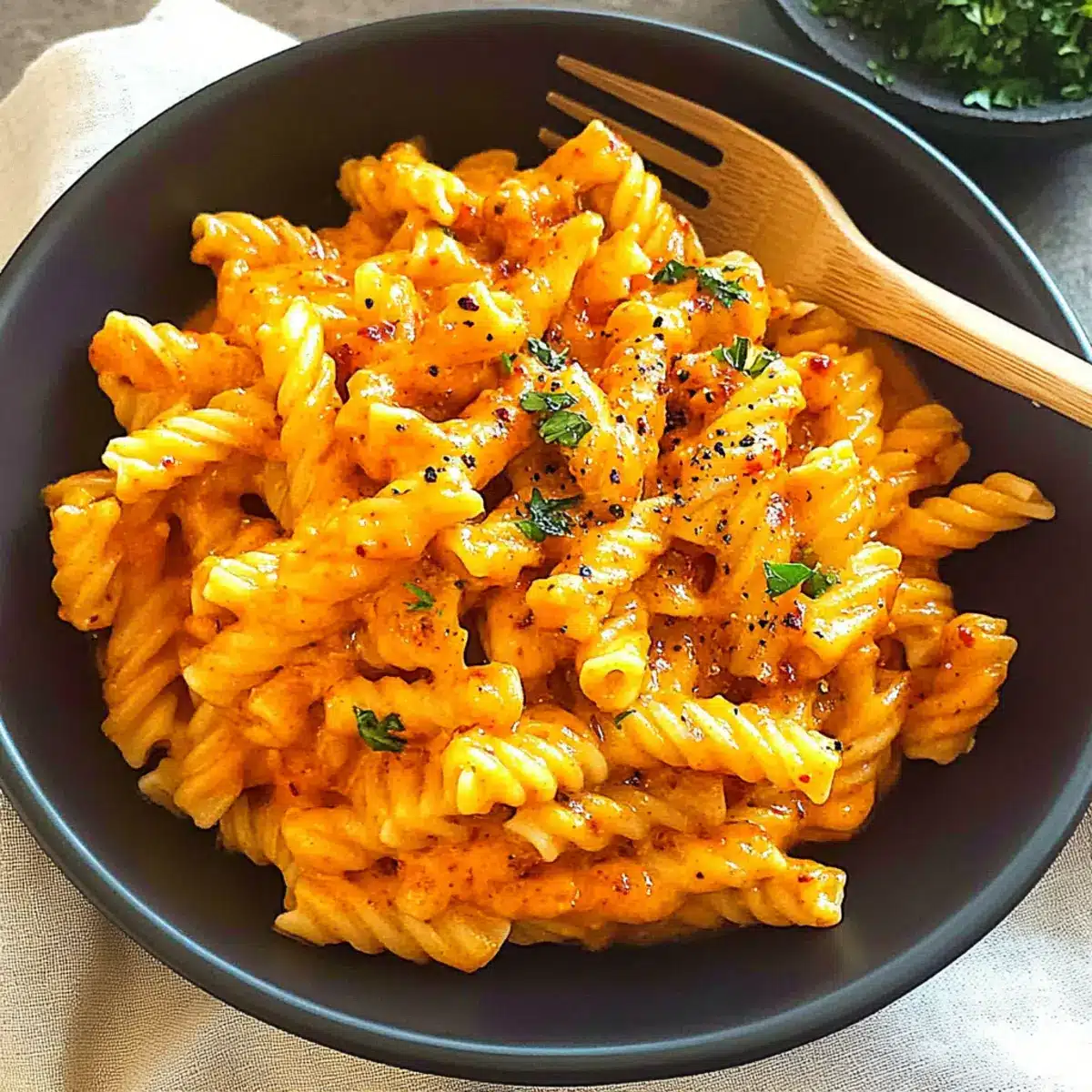
Why is Gochujang Pasta a Must-Try?
Unforgettable Flavor: The unique blend of spicy gochujang and cream creates a memorable taste experience that will delight your palate.
Quick & Easy: Ready in just 15 minutes, this dish is perfect for those busy weeknights when you crave something delicious without the fuss.
Versatile Options: Enjoy it as a stand-alone dish or pair it with grilled meats or sautéed veggies for a heartier meal.
Diet-Friendly: This recipe easily adapts to gluten-free and vegan diets, ensuring everyone can savor it.
Crowd-Pleaser: Whether it’s a family dinner or a get-together with friends, this creamy Gochujang Pasta is bound to be a hit, leaving your guests asking for your secret! For more flavorful ideas, check out my Salmon Spinach Pasta or try a comforting Healthy Broccoli Pasta.
Gochujang Pasta Ingredients
For the Pasta
• Fusilli Corti Bucati Pasta – 8 oz dry; this shape hugs the sauce perfectly for each delicious bite.
For the Sauce
• Gochujang – 2 tablespoons; this Korean red chili pepper paste adds a kick of umami depth.
• Garlic – 3 cloves (minced or pressed); it elevates the flavor with aromatic notes.
• Salted Butter – 4 tablespoons; it enriches the sauce, lending that creamy indulgence.
• Olive Oil – 2 tablespoons; it’s crucial for sautéing garlic and blending flavors smoothly.
• Parmesan or Cheddar Cheese – ½ cup shredded; adds creaminess and savory flavor; swap for nutritional yeast for a vegan version.
• Heavy Cream – ½ cup; this contributes to the sauce’s richness; substitute with plant-based milk to keep it vegan-friendly.
• Black Pepper – ½ teaspoon (optional); customize to your taste for a touch of heat.
• Chopped Parsley – 2 teaspoons (optional garnish); it brightens the dish visually and contributes freshness.
Each ingredient plays a vital role in crafting the unforgettable taste you’ll love in your Gochujang Pasta. Get ready to whip up a dish that’s not only quick but also bursting with flavor!
Step‑by‑Step Instructions for Gochujang Pasta
Step 1: Cook the Pasta
Begin by bringing a large pot of salted water to a rolling boil over high heat. Add 8 oz of dry fusilli corti bucati pasta and cook for 7-12 minutes, stirring occasionally until al dente or your preferred texture is achieved. Once done, drain the pasta and set it aside, reserving a splash of pasta water for later use.
Step 2: Prepare the Base
In a large sauté pan, heat 4 tablespoons of salted butter and 2 tablespoons of olive oil over medium heat. Allow the butter to melt completely, creating a rich and velvety base for your sauce. Keep an eye on it, as the butter should foam but not brown, which will ensure a smooth texture for your Gochujang Pasta.
Step 3: Sauté the Aromatics
Add 3 cloves of minced or pressed garlic to the pan, stirring frequently for about 30-60 seconds until fragrant and slightly softened. Be cautious not to let the garlic burn, as this will impart a bitter flavor to your creamy sauce. The garlic should be golden and aromatic, setting the stage for the dish’s bold flavors.
Step 4: Combine the Sauce Ingredients
Stir in 2 tablespoons of gochujang, ½ cup of heavy cream, and ½ cup of shredded Parmesan or cheddar cheese into the sauté pan. Cook this mixture for about 1-2 minutes, stirring continuously until the cheese has melted and the sauce thickens gently. You should see a beautiful, creamy blend that coats the back of a spoon.
Step 5: Toss in the Pasta
Add the cooked pasta to the sauce, tossing everything together until it is well coated in the creamy Gochujang sauce. If the sauce seems too thick, you can add a splash of the reserved pasta water to achieve your desired consistency. Ensure that every twist of the pasta is enveloped in that rich, spicy goodness.
Step 6: Serve and Garnish
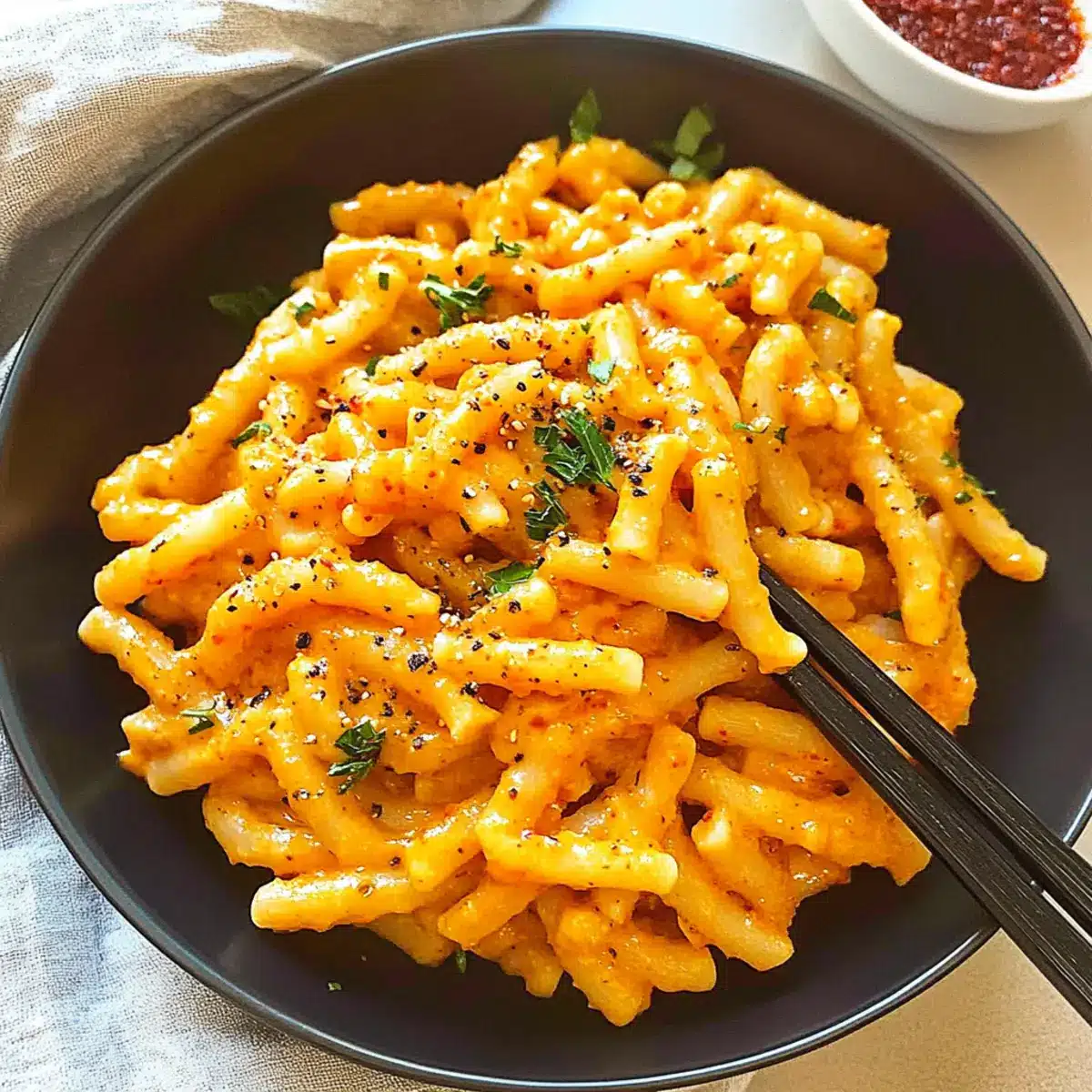
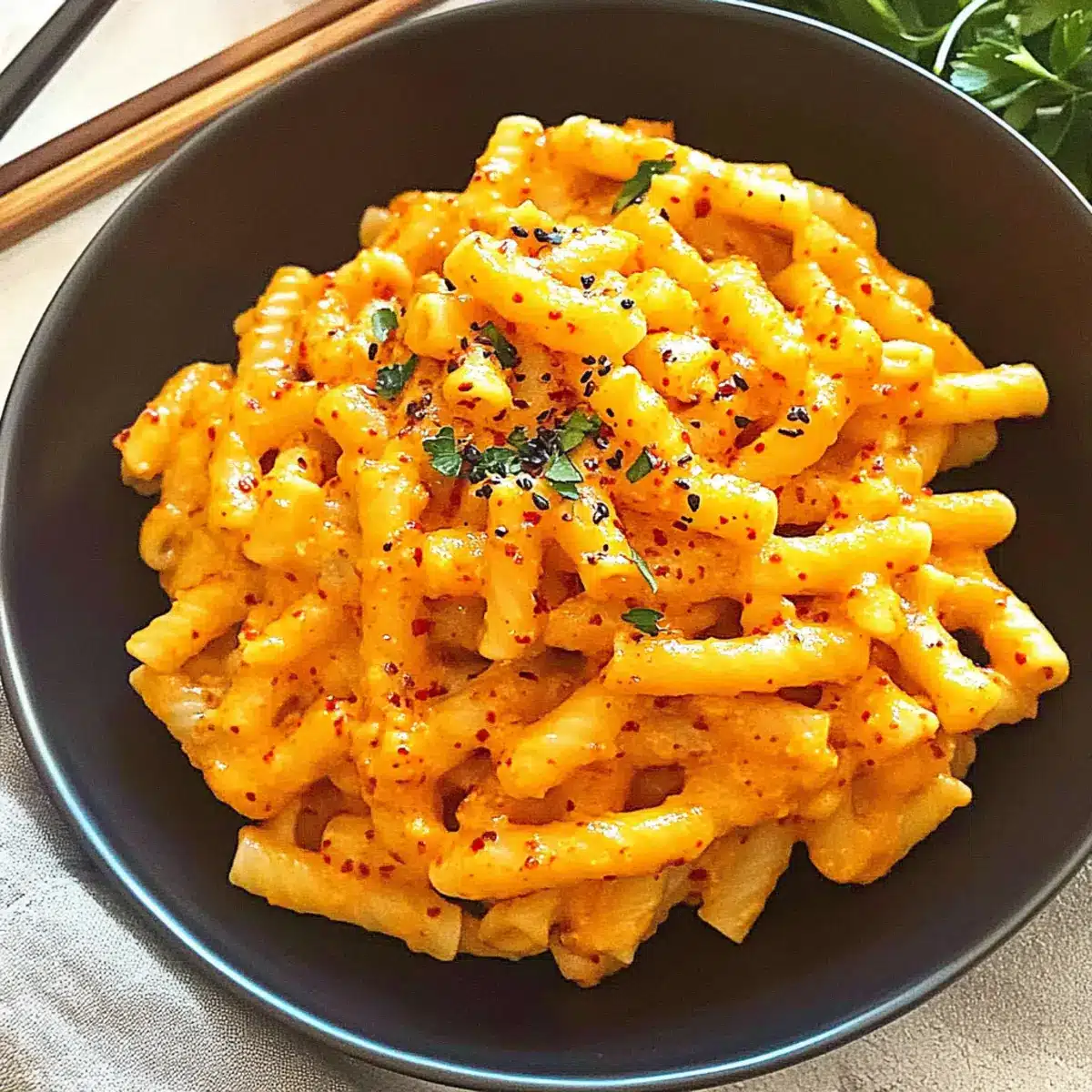
Once everything is combined, remove the pan from heat and let it sit for a minute to settle. Serve your delicious Gochujang Pasta immediately, garnished with chopped parsley for a fresh pop of color. Each creamy bite is packed with flavor, inviting you to indulge right away!
Expert Tips for Gochujang Pasta
• Watch the Garlic: Avoid burning the garlic by stirring constantly; burnt garlic can turn the sauce bitter.
• Proper Heat: Keep your heat at medium while combining the sauce ingredients; this helps them meld beautifully without overheating.
• Pasta Variations: Feel free to try different pasta shapes to find your favorite texture; fusilli holds the sauce well, but penne or rigatoni could work nicely too!
• High-Quality Gochujang: Use a premium brand of gochujang for authentic flavor; cheap alternatives may lack the depth you want in your Gochujang Pasta.
• Add Texture: Consider mixing in sautéed vegetables or protein options like chicken or tofu to enhance the dish and create a more balanced meal.
How to Store and Freeze Gochujang Pasta
Fridge: Store your Gochujang Pasta in an airtight container for up to 5 days. Allow the dish to cool completely before sealing to maintain freshness.
Freezer: You can freeze leftovers for up to 3 months. Portion the pasta in airtight freezer bags or containers, ensuring no excess air remains to prevent freezer burn.
Reheating: When ready to enjoy, thaw overnight in the fridge, then reheat gently on the stovetop or microwave. Add a splash of heavy cream or pasta water to restore creaminess.
Serving Tips: This pasta is best served fresh, but reheated Gochujang Pasta can still delight your taste buds, making it perfect for busy weeknights!
Gochujang Pasta Variations & Substitutions
Feel free to play around with these ideas to customize your creamy Gochujang pasta experience!
-
Gluten-Free: Use gluten-free pasta options to enjoy the same delicious flavors without any gluten. There are plenty of tasty alternatives that don’t skimp on texture.
-
Vegan Delight: Swap out butter, cream, and cheese for their plant-based versions. Try coconut cream and nutritional yeast for that creamy, cheesy goodness without the dairy.
-
Protein Boost: Incorporate grilled chicken, shrimp, or tofu for an added protein punch. It’s a lovely way to make this dish heartier while still keeping it simple!
-
Veggie Power: Add sautéed bell peppers, zucchini, or mushrooms for extra nutrition and texture. This variation not only enhances flavors but also makes your dish vibrant and colorful.
-
Spicy Twist: If you’re feeling bold, increase the amount of gochujang or add a pinch of red pepper flakes. This extra heat can really elevate the dish for those who love a fiery kick!
-
Creamy Options: Instead of heavy cream, try using cashew cream for a rich and nutty flavor that complements the spiciness perfectly. It’s a great vegan alternative that’s still indulgent.
-
Nutty Garnish: Amplify the flavor with crushed peanuts or sesame seeds sprinkled on top. This added crunch is a delightful contrast to the creamy pasta and enhances the dish’s Asian-inspired elements.
-
Herb Infusion: Experiment with fresh herbs like cilantro or basil as a garnish for a fresh pop. The herbaceous notes can lighten up the dish and complement the spicy flavors beautifully.
With these variations, your Gochujang Pasta can be a personalized culinary journey. For more delicious pasta ideas, try my Garlic Parmesan Chicken Pasta or check out the delightful Street Corn Pasta for another flavor adventure!
Make Ahead Options
Creamy Gochujang Pasta is perfect for meal prep enthusiasts looking to save time during busy weeknights! You can cook the pasta and prepare the sauce up to 24 hours in advance. Simply cook the pasta as directed, drain, and toss it in a bit of olive oil to prevent sticking. For the sauce, combine the gochujang, cream, and cheese mixture but store it separately. When ready to serve, reheat the sauce in a pan over medium heat, add in the cooked pasta, and toss until evenly coated. This method ensures that your Gochujang Pasta tastes just as delicious, providing a delightful meal with minimal effort!
What to Serve with Creamy Gochujang Pasta?
This delightful dish opens up a world of flavor pairings that will elevate your meal to new heights.
-
Grilled Chicken: Juicy chicken infused with herbs adds a savory contrast, making the spicy pasta even more satisfying.
-
Sautéed Spinach: Lightly cooked spinach offers a fresh, vibrant taste that balances the creamy richness of the pasta.
-
Roasted Vegetables: Colorful roasted bell peppers and zucchini provide a sweet, charred flavor that complements the spicy notes beautifully.
-
Kimchi: A small side of kimchi introduces a crunchy, tangy kick that pairs wonderfully, accentuating the gochujang’s flavors.
-
Cucumbers with Sesame Dressing: Crisp cucumber slices dressed in sesame oil add a refreshing crunch that cuts through the richness.
-
Miso Soup: This light, umami-rich broth is a perfect starter that sets the stage for the creamy pasta’s bold flavors.
-
Chilled White Wine: A glass of chilled Sauvignon Blanc or a lightly chilled Riesling brings a refreshing contrast to the meal.
Each of these sides introduces different textures and flavors, ensuring your table is a vibrant celebration of taste!
Gochujang Pasta Recipe FAQs
How do I choose ripe ingredients for my Gochujang Pasta?
Absolutely! When selecting your ingredients, particularly garlic, look for firm cloves without dark spots or sprouting. Choose fresh pasta that feels slightly springy, and for melted cheese, opt for a quality brand that will give your sauce a rich texture. If using gochujang, check the label for gluten-free options, especially if you’re sensitive to gluten.
How should I store leftover Gochujang Pasta?
Very simple! Store your Gochujang Pasta in an airtight container in the refrigerator for up to 5 days. Make sure to let it cool completely before sealing it up. This avoids excess moisture which can lead to spoilage. When you’re ready to eat it, just give it a quick stir and reheat on the stove or microwave!
Can I freeze Gochujang Pasta, and how?
Absolutely! You can freeze your Gochujang Pasta for up to 3 months. To do this, first, let the pasta cool completely. Then, portion it into airtight freezer bags or containers, squeezing out as much air as possible to prevent freezer burn. For easy reheating, thaw overnight in the refrigerator before warming it up in a pan or microwave, and add a splash of cream or pasta water to restore its creaminess.
What should I do if my Gochujang sauce is too thick?
Don’t worry; this happens to the best of us! If your sauce ends up too thick, you can loosen it by adding a splash of reserved pasta water or extra cream while gently stirring on low heat. This will help achieve that silky texture you’re aiming for without compromising the wonderful flavor.
Is this recipe safe for everyone to eat, considering dietary restrictions?
Yes! If you’re serving someone with gluten sensitivities, opt for gluten-free pasta and double-check that your gochujang and any cheese alternatives meet their dietary needs. For a vegan adaptation, substitute the butter, heavy cream, and cheese with plant-based alternatives to ensure everyone can enjoy this delicious Gochujang Pasta.
What can I add to customize my Gochujang Pasta?
The more the merrier! Consider adding sautéed veggies like bell peppers, zucchini, or mushrooms for added flavor and nutrition. Protein options such as grilled chicken, shrimp, or tofu will also make this dish heartier. Experiment with garnishes like chopped cilantro or a sprinkle of sesame seeds for an extra dimension!
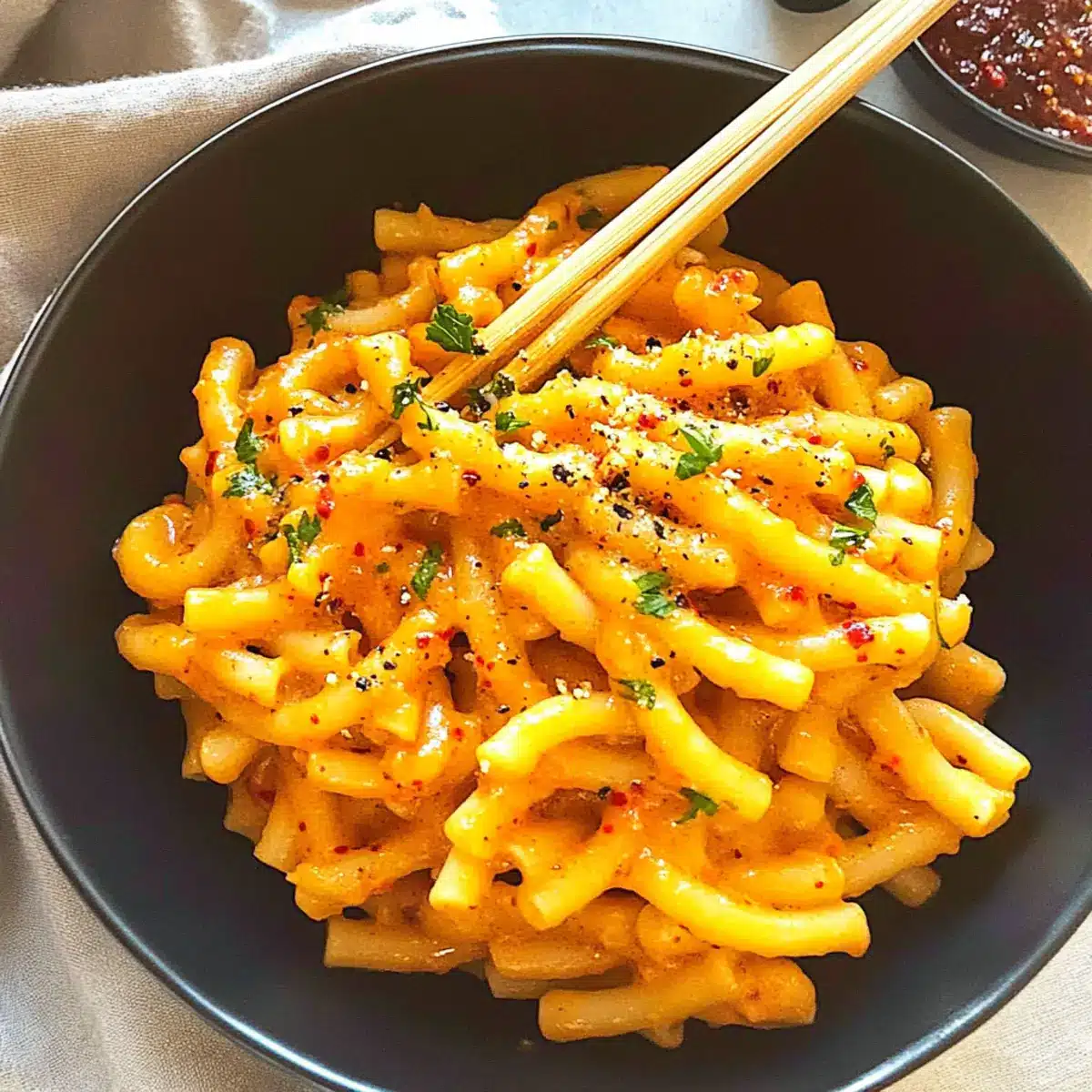
Creamy Gochujang Pasta That'll Spice Up Your Dinner Routine
Ingredients
Equipment
Method
- Bring a large pot of salted water to a rolling boil. Add pasta and cook for 7-12 minutes until al dente. Drain and set aside, reserving a splash of pasta water.
- In a large sauté pan, heat butter and olive oil over medium heat until melted.
- Add minced garlic to the pan and sauté for 30-60 seconds until fragrant and slightly softened.
- Stir in gochujang, heavy cream, and cheese, cooking for 1-2 minutes until cheese melts and sauce thickens.
- Add cooked pasta to the sauce, tossing to coat. Use reserved pasta water if sauce is too thick.
- Remove from heat, let sit for a minute, and serve immediately garnished with chopped parsley.
Leave a Reply