
As the chill of winter envelops us, I find myself yearning for that one dish which brings warmth and comfort like no other: Tasty Korean Winter Soup. This hearty blend of tender beef, soft tofu, and seasonal vegetables bathing in a savory broth transforms any cold evening into a cozy culinary escape. Not only does this soup come together in just a short time, but it also offers flexibility with gluten-free options, making it a delightful crowd-pleaser for all. The moment you take a bite, the rich aromas and soothing flavors wrap around you, much like a warm hug from a dear friend. So, are you ready to indulge in this comforting bowl of goodness and discover how it can cozy up your mealtimes?
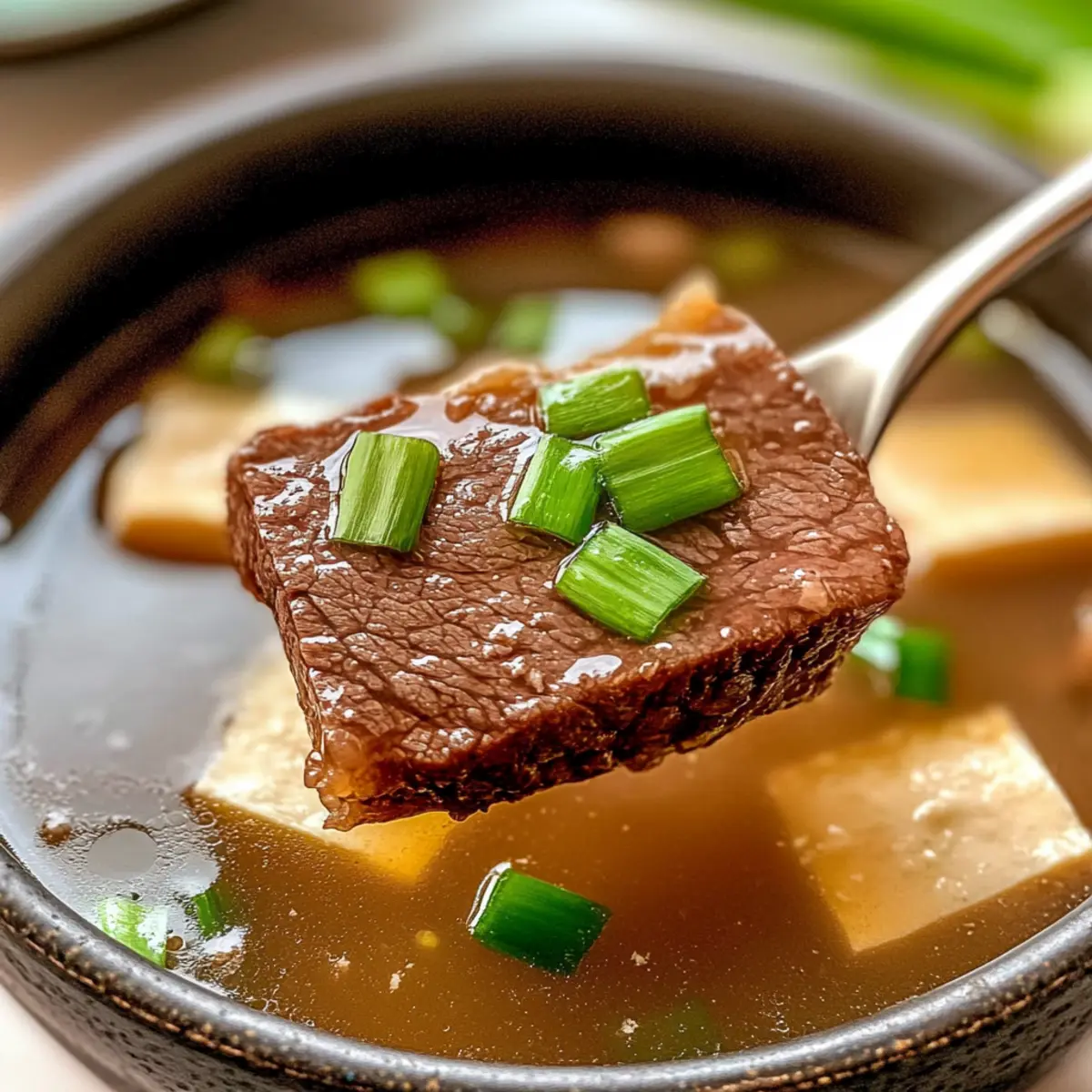
Why is Korean Winter Soup a must-try?
Comforting Warmth: Each bowl of this soup provides an incredible hug of flavor, making it perfect for chilly nights.
Hearty Ingredients: The combination of tender beef and soft tofu creates a rich, inviting meal that satisfies the heart and soul.
Flexible Variations: You can easily adapt this recipe with seasonal veggies or alternative proteins, ensuring everyone at your table enjoys it.
Quick Preparation: With just a few straightforward steps, you’ll have a wholesome meal ready in no time.
Gluten-Free Options: Tailor it to your dietary needs by swapping soy sauce for tamari, making it inclusive for gluten-sensitive diners.
Pair it with some delicious Vegetable Soup Wholesome or a vibrant Winter Salad Festive for a complete feast!
Tasty Korean Winter Soup Ingredients
-
For the Broth
• Beef Short Ribs – This primary protein source adds richness and depth to your soup. Substitution: Beef shank or oxtail provides a similar flavor.
• Onion – The base flavor for the broth; use a whole onion with skin on for extra depth.
• Garlic – Essential for bringing warmth and aromatic richness to the dish.
• Ginger – Adds a fresh, spicy note that complements the beef beautifully.
• Korean Leek – Enhances the aromatics of the broth; regular leeks or green onion can be used if needed. -
For the Soup
• Tofu – Provides creaminess and protein; swap with large portobello mushrooms or seitan for a vegetarian option.
• Daikon Radish – Adds sweetness and texture; try other root vegetables for variety.
• Sea Salt & Black Pepper – Season the broth to taste, adjusting based on personal preference.
• Guk Ganjang (Korean Soy Sauce) – Infuses the soup with umami flavor; double-check for gluten-free options by using tamari if necessary. -
For Garnish
• Green Onions – Freshly sliced, these add a pop of color and a burst of flavor to each serving.
Each ingredient plays a crucial role in elevating this Tasty Korean Winter Soup, ensuring your experience is as comforting as it is delicious!
Step‑by‑Step Instructions for Tasty Korean Winter Soup
Step 1: Soak Beef Ribs
Immerse the beef short ribs in a large bowl of cold water for about 1 hour. This step helps remove impurities, ensuring your Tasty Korean Winter Soup has a clean, rich flavor. You’ll know it’s ready when the water appears slightly murky, indicating the impurities have been released.
Step 2: Prepare Aromatics
While the ribs soak, chop the onion, garlic, ginger, and green onions. Set aside the green onions for garnish later. This aromatic base is crucial for developing the delicious broth in your Tasty Korean Winter Soup, so take your time to achieve uniform cuts for even cooking.
Step 3: Simmer Broth
In a large stock pot, combine the soaked short ribs, chopped onions, garlic, ginger, and 10 cups of water. Bring everything to a boil over medium-high heat, watching for the moment it bubbles vigorously. This initial boiling helps to infuse the broth with flavors while tenderizing the beef.
Step 4: Skim Fat
Once boiling, reduce the heat to medium and carefully skim off any foam or impurities floating on the surface. This is important for a clear soup, as you’ll want a beautiful, clean broth that enhances the overall presentation of your Tasty Korean Winter Soup.
Step 5: Slow Cook
Lower the heat to medium-low and let the broth simmer uncovered for 1 hour. This gentle cooking allows the flavors to meld and the beef to become tender. You’ll know it’s time to move on when the beef begins to fall off the bone, enriching the soup with delicious depth.
Step 6: Add Radishes
After the hour has passed, add the sliced daikon radishes to the pot. Allow it to simmer for an additional 20 minutes, until the radishes turn soft and sweet. Their sweetness and tender texture will perfectly complement the robust flavors of your hearty Tasty Korean Winter Soup.
Step 7: Filter Broth
Carefully discard the solid aromatics, leaving just the meat and broth in the pot. Strain the mixture if desired for a smoother texture. Your Tasty Korean Winter Soup should now be filled with rich broth and tender chunks of beef, ready for the final touches.
Step 8: Season
Bring the broth back to a gentle simmer and stir in the guk ganjang, sea salt, and a dash of black pepper. Let it simmer for an additional 10 minutes, allowing the seasonings to infuse into the soup. Taste and adjust the seasoning as needed for a perfect balance of flavors.
Step 9: Serve
Ladle the steaming hot Tasty Korean Winter Soup into bowls and garnish with freshly sliced green onions and a sprinkle of black pepper. Pair it with steamed rice and kimchi for a complete meal. Your friends and family will surely appreciate the warmth and comfort of this delightful dish!
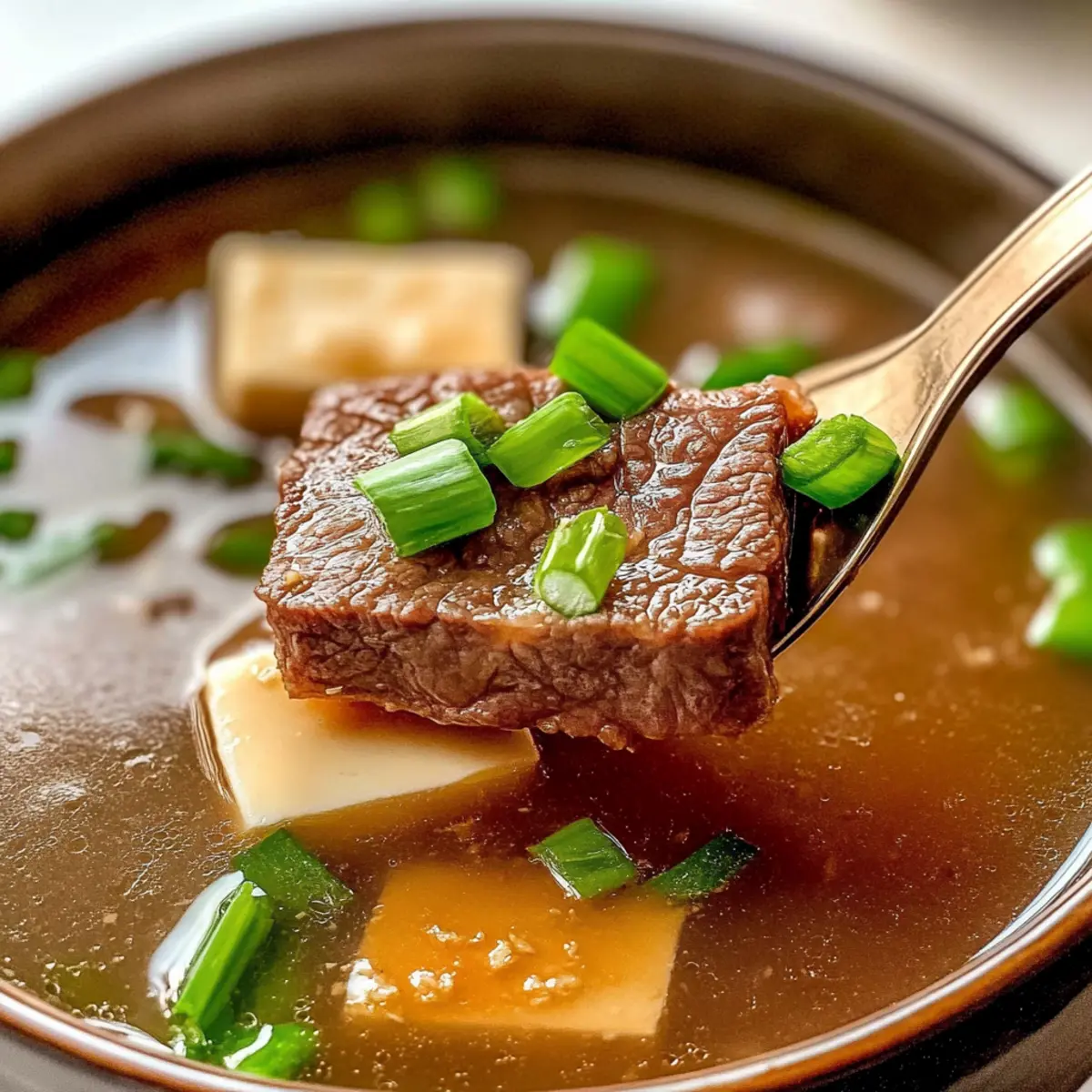
Tasty Korean Winter Soup Variations
Feel free to personalize your soup experience with these delightful twists that will elevate your Tasty Korean Winter Soup to new heights!
-
Chicken Alternative: Swap the beef short ribs for chicken thighs for a lighter, delicious variation that still packs full flavor.
-
Vegetarian Delight: Replace tofu with large portobello mushrooms or seitan, allowing the dish to shine no matter your dietary preferences.
-
Seasonal Pairings: Incorporate enoki mushrooms or diced carrots to emphasize seasonal freshness, adding vibrant color and nutrition to your cozy meal.
-
Spicy Kick: Add a spoonful of gochujang or a pinch of red pepper flakes for a warm, spicy surprise that brightens up your soup.
-
Broth Shortcuts: If pressed for time, consider using store-bought broth to speed up preparation without sacrificing taste.
-
Texture Mastery: For extra crunch, toss in some sliced bok choy or spinach in the final minutes of simmering to enhance the soup’s texture.
-
Flavored Oils: Drizzle a bit of sesame oil on top before serving; this adds a nutty depth that complements the broth beautifully.
-
Rice Variations: Instead of traditional white rice, try serving with brown rice or quinoa for a nuttier flavor that boosts the meal’s wholesomeness.
Every variation can make your Tasty Korean Winter Soup uniquely yours! If you’re in the mood for another comforting option, give my Vegetable Soup Wholesome or Winter Salad Festive a try to round off your meal!
How to Store and Freeze Tasty Korean Winter Soup
Fridge: Store leftover Tasty Korean Winter Soup in an airtight container for up to 3 days. Make sure to let it cool completely before sealing to maintain freshness.
Freezer: For longer storage, pour the soup into freezer-safe containers, leaving a little space at the top for expansion. It can be frozen for up to 3 months.
Reheating: Thaw the frozen soup in the refrigerator overnight, then reheat on the stovetop over low heat, stirring occasionally until warmed through.
Quick Tip: If you stored your soup with the tofu, you might want to add a bit of water or broth when reheating, as the tofu absorbs some liquid during storage.
What to Serve with Hearty Korean Winter Soup?
As you savor each comforting spoonful of this rich soup, explore delightful pairings to create a memorable meal experience.
- Steamed Rice: A classic pairing, the fluffy texture of rice soaks up the savory broth, providing a perfect base for your soup.
- Kimchi: This tangy, fermented side dish adds a burst of flavor and a delightful contrast to the warmth of the soup.
- Pickled Vegetables: Bright, crisp pickles introduce a refreshing crunch, balancing the hearty richness of the Korean winter soup.
- Fresh Green Salad: A vibrant mix of greens with a light vinaigrette adds a bright and fresh flavor, enhancing your meal.
- Savory Egg Custard: Silky and smooth, this dish complements the textures in the soup while providing additional protein.
- Crispy Fried Tofu: Golden-brown and crunchy, fried tofu brings an exciting contrast to the creamy softness of the cooked tofu in the soup.
For a drink, you might try lightly brewed green tea that cleanses the palate beautifully between bites. With these pairings, a cozy night with your hearty Korean winter soup awaits!
Make Ahead Options
Preparing your Tasty Korean Winter Soup ahead of time is a smart way to save yourself some precious moments during busy weeknights! You can soak the beef short ribs up to 24 hours in advance, making sure to change the water periodically to remove impurities. Additionally, you can chop all the aromatics (onion, garlic, ginger, and green onions) and store them in an airtight container in your refrigerator for up to 3 days. When you’re ready to enjoy your soup, simply simmer the soaked ribs and aromatics together as directed, adding the daikon radishes in the last stages. This method maintains the soup’s delicious flavor and ensures you have a comforting meal at your fingertips with minimal last-minute effort!
Expert Tips for Tasty Korean Winter Soup
-
Soak Wisely: Soaking the beef short ribs for an hour removes impurities, ensuring a clean, rich broth. Don’t skip this crucial step!
-
Skimming the Surface: Be diligent about skimming the foam during simmering to achieve a clear, beautiful soup. This enhances both appearance and flavor.
-
Taste Test: Since brands of guk ganjang (Korean soy sauce) vary in saltiness, taste your broth before serving and adjust salt accordingly for the best Tasty Korean Winter Soup.
-
Vegetarian Options: For a tasty twist, try substituting beef with large portobello mushrooms or seitan, making this dish suited for a wider range of diets.
-
Garnish with Freshness: Don’t forget the green onions! Adding them just before serving injects a fresh flavor and vibrant color to your comforting bowl of soup.
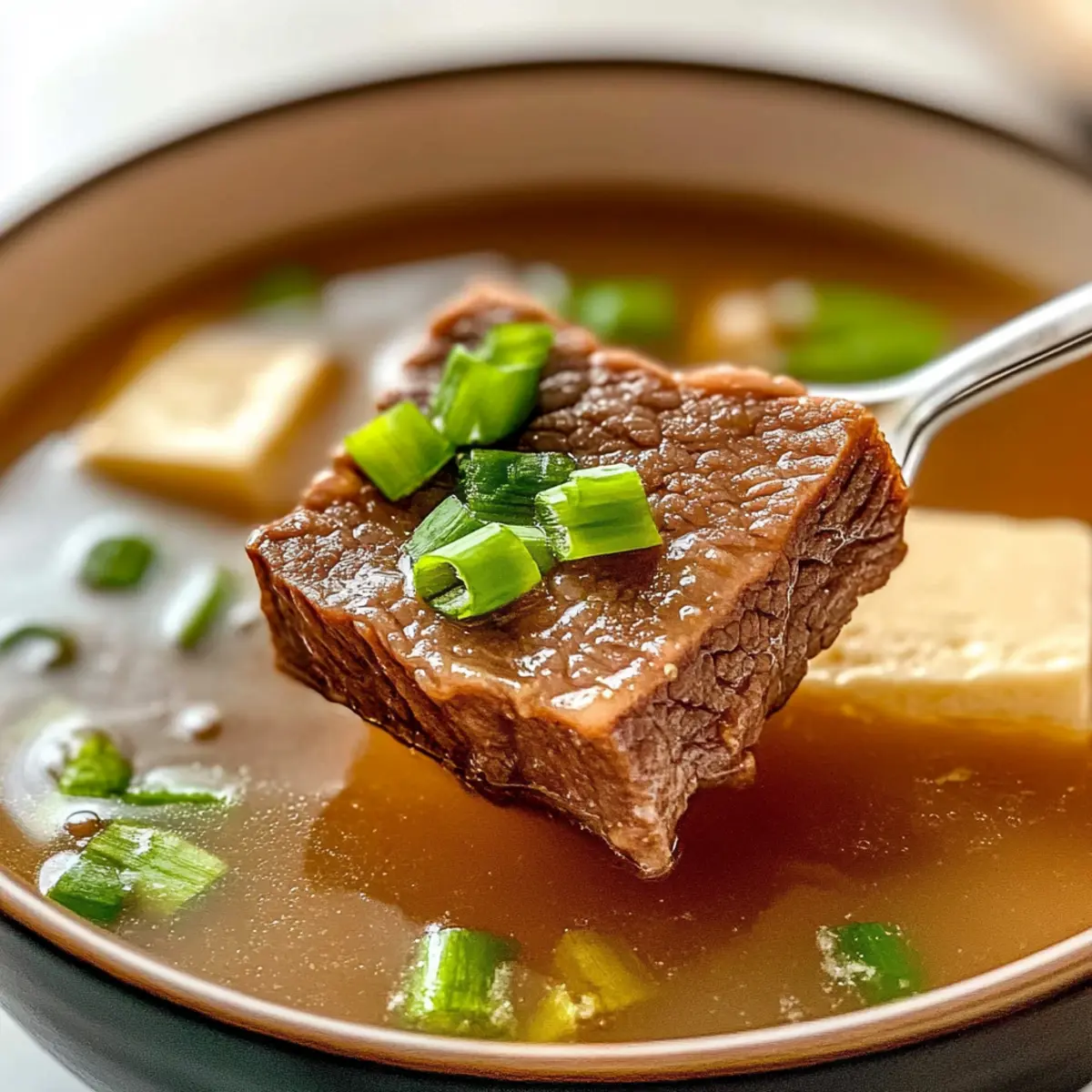
Tasty Korean Winter Soup Recipe FAQs
What type of beef should I use for the soup?
Absolutely! Beef short ribs are the recommended choice for this Tasty Korean Winter Soup, as they add richness and depth. If you’re looking for an alternative, beef shank or oxtail can offer similar flavors and textures.
How should I store leftovers?
To keep your Tasty Korean Winter Soup fresh, store leftovers in an airtight container in the refrigerator for up to 3 days. Be sure to let it cool completely before sealing to lock in the flavors and maintain quality.
Can I freeze the soup for later use?
Yes! Pour the soup into freezer-safe containers, leaving a little space at the top for expansion. You can store it in the freezer for up to 3 months. When you’re ready to enjoy it again, thaw it in the refrigerator overnight and reheat it on the stovetop over low heat.
What should I do if my broth looks cloudy?
No worries! If your broth turns out cloudy, it’s usually due to not skimming off the foam while simmering. To fix this, make sure to carefully skim the surface as it simmers and allow the broth to simmer longer—this will help clarify it. For next time, follow the skimming tips to ensure a clear, beautiful soup.
How can I make this soup gluten-free?
Very easily! To make your Tasty Korean Winter Soup gluten-free, simply substitute the guk ganjang (Korean soy sauce) with tamari. This one’s a great option for those sensitive to gluten while still achieving that lovely umami flavor!
What’s the best way to reheat the soup?
When reheating your Tasty Korean Winter Soup, especially if it contains tofu, it’s a good idea to add a splash of water or broth to prevent it from being too thick. Gently reheat it on the stovetop over low heat, stirring occasionally until heated through. Enjoy your comforting bowl again!
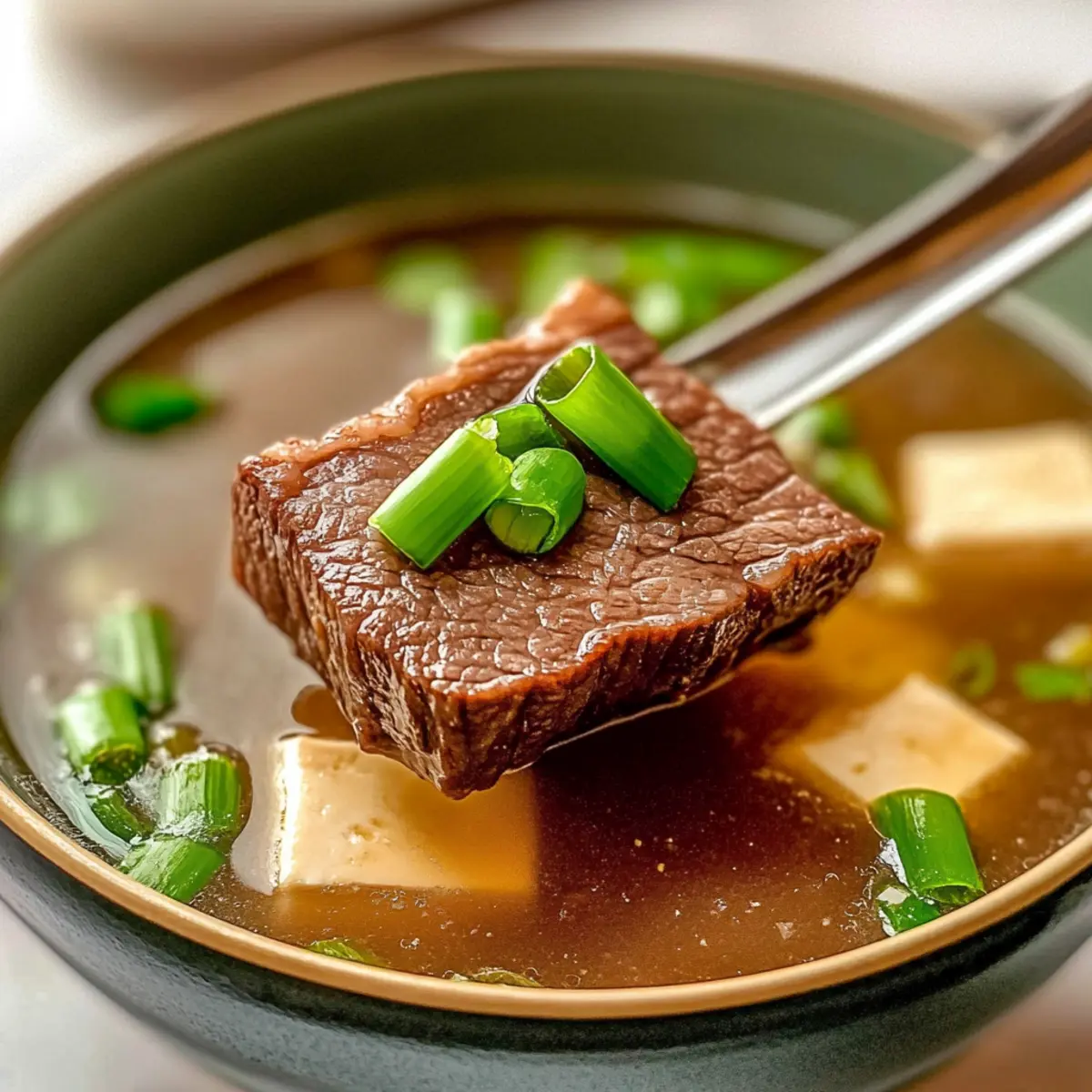
Tasty Korean Winter Soup for a Cozy, Comforting Night
Ingredients
Equipment
Method
- Soak the beef short ribs in a large bowl of cold water for about 1 hour to remove impurities.
- Chop the onion, garlic, ginger, and green onions, setting aside the green onions for garnish.
- In a large stock pot, combine soaked short ribs, chopped onions, garlic, ginger, and 10 cups of water and bring to a boil.
- Once boiling, reduce heat to medium and skim off any foam or impurities.
- Lower heat to medium-low and let the broth simmer uncovered for 1 hour.
- Add the sliced daikon radishes to the pot and simmer for an additional 20 minutes until soft.
- Discard the solid aromatics, leaving just the meat and broth, and strain if desired.
- Bring broth back to a simmer and stir in guk ganjang, sea salt, and a dash of black pepper.
- Ladle the soup into bowls and garnish with freshly sliced green onions and black pepper.
Leave a Reply